
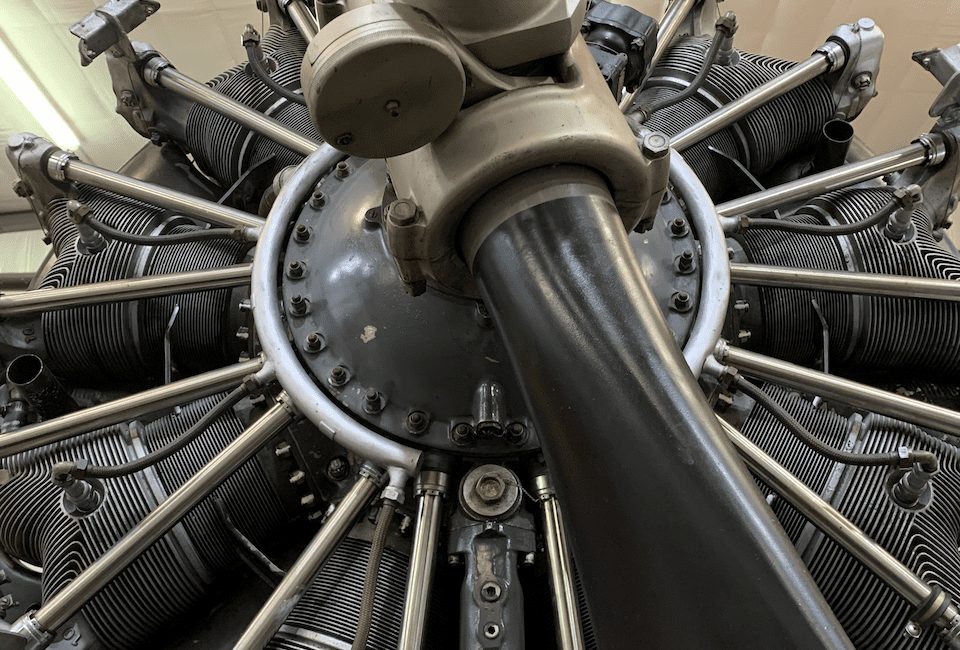
Preflighting any aircraft prior to flight should be a habit ingrained permanently into the very soul of a pilot. It needs to be a habit, a ritual. Because your life, and the lives of your passengers depend on it. This is not instruction on how to perform a preflight of your aircraft. This article contains observations about what I’ve experienced in my life. Seek out the advice an instruction of your flight instructor (CFI) for the proper technique for your aircraft. The POH (Pilot’s Operating Handbook) of your aircraft is greatly important.
Thankfully, my first flight instructor drilled into me from day one how important a preflight inspection of an aircraft is. He explained it, provided examples of what happened if a pilot failed to preflight their plane, and that was good enough for me. It made sense. Over the years, I’ve modified my pre-flight ritual somewhat, but it works. Talk to your flight instructor about all of the current regulations, etc as you have questions. You pay them to be a resource, so use them.
My preflight follows a pattern. I always begin at one point on an aircraft, and end at that point. But the most effective thing that I’ve learned over the years is to begin the preflight all over again if I have been distracted. That has saved my life. For example, while preflighting an airplane, many times I’ve had someone walk up to me, wanting to ask questions about the airplane, the airport, or something else. That is when you can miss something vital, like securing the dipstick on your oil tank! Don’t let that happen to you! So every time I get distracted during preflight, I begin the process all over again. I do not want to miss a thing, or skip something on the checklist.
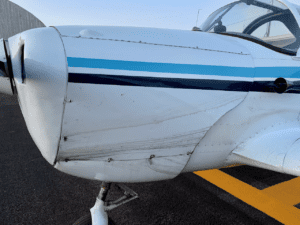
Looking at the photo above, if I walked up to an airplane that displayed an oil leak of that magnitude, I wouldn’t hop in and fly it. But I would certainly take a look for myself and attempt to discover where the leak was coming from. After that, it’s off to the local A&P mechanic at the airport to repair.
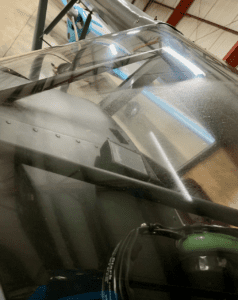
The above photo is an example of oil leaking from the front seal behind the propeller of an airplane. Notice the oil mist covering the windshield on one side, while the other is clean? The one half windscreen was cleaned as an example. The seal in question was immediately replaced. Had the seal blown out in flight, the windshield would have been covered with oil, the engine shut down, and most likely, an off-field landing would have been the best outcome.
Below is a photo of my A&P mechanic replacing the seal.
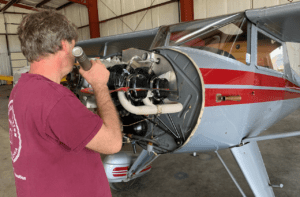
Suffice to say, paying attention to any aircraft that you fly is vital.
Many pilots assume that just because an airplane was airworthy 15 minutes ago, it still is. Your life is not worth an assumption…
Matt – aka This Old Pilot
Preflight. It is more important than you realize. Your life along with your aircraft can depend on it. For example, a mechanic can make an adjustment to a system on your airplane before flight. No matter how much you trust the mechanic, they’re human, and can make mistakes. Many aircraft have been sent to the scrapyard because of this. A ‘minor adjustment’ can have significant consequences. My motto is “Trust but verify.” Even at that, I’ve had more than one surprise.
Do that preflight.